





La recurrent summer dermatitis (DER), also known as sweet itch o summer eczema, is one of the most widespread and annoying skin diseases in the horse riding.
It typically occurs during the warm months and tends to recur year after year, with a significant impact on the animal's well-being and quality of life.
Understanding what it is, how it develops, and what strategies to adopt to prevent and control it is essential for effective management.
What is recurrent summer dermatitis?
The DER is a allergic reaction caused mainly by saliva blood-sucking insects, especially midges of the genus Culicoides (Culicoids).
When these insects bite the horse, an exaggerated immune response is triggered in predisposed subjects which causes intense itching and skin inflammation.
It is therefore not a contagious disease, but a condition hypersensitive and multifactorial, influenced by genetics, environment, immune system and skin condition.

The most common symptoms
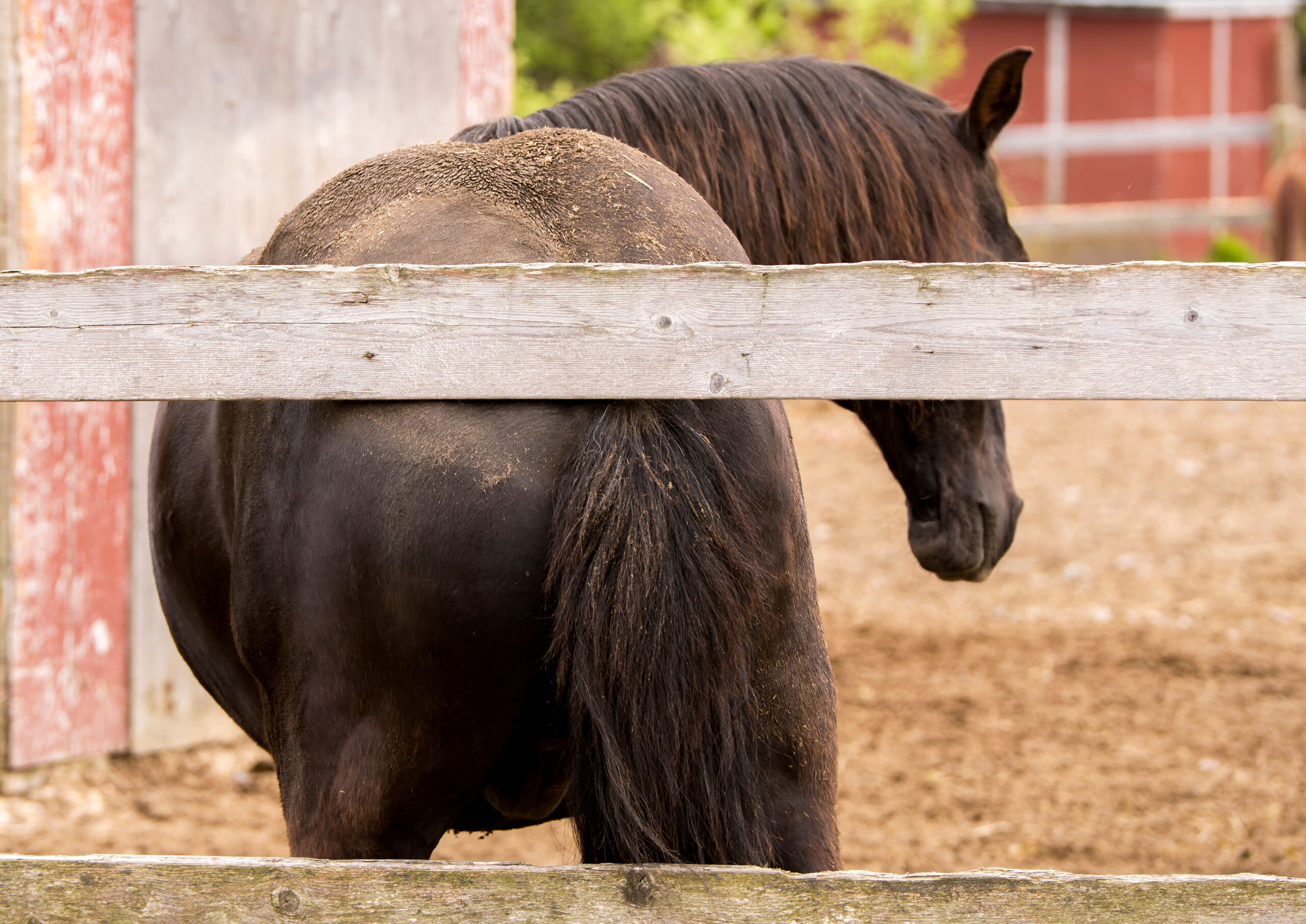
The most obvious sign of recurrent summer dermatitis is the intense itching, which causes the horse to scratch itself against fences, trees, or stable structures. The most affected areas are:
- mane and neck
- base of the tail
- withers
- back and abdomen
Over time, the following may appear:
- scabs and lesions
- hair loss
- thickening of the skin
- infections
If not managed properly, DER can become chronic and increasingly difficult to control.
Why does it happen every summer?
Dermatitis is defined as “relapsing” precisely because it tends to to recur cyclically, usually from spring to early autumn, following insect activity.
Each season can worsen, making symptoms earlier and more intense than the previous year.
Here because prevention plays a key role.
Prevention and management: an integrated approach
Addressing recurrent summer dermatitis requires a combined strategy that takes multiple factors into account.
Insect Control
- regular use of products that keep insects away
- use of insect blankets
- sheltering the horse during the hours of greatest insect activity (dawn and dusk)
- environmental management by reducing wetlands and waterlogging

Skin care
Keeping the skin in good condition helps to strengthen the skin barrier, making the skin less reactive. Soothing products They can reduce itching and irritation, moisturize and keep the skin elastic.
Strengthening the immune system
Support the immune system and strengthen natural defenses of the horse is a fundamental step in modulating the inflammatory response and supporting the body in the most critical periods.
This goal is achieved first of all through a Proper nutrition, which guarantees an adequate supply of essential fatty acids, vitamins, minerals and antioxidants. The targeted use of complementary feed It can also help strengthen the animal, improving the body's ability to respond to external stimuli.
The importance of prevention
To avoid DER, prevention plays a key role: intervene before the start of the summer season It represents the most effective strategy for preparing the horse and reducing the intensity of the allergic response, limiting the onset and severity of symptoms.
One of the most common mistakes is to intervene only when symptoms are already evident. A targeted program, tailored to the individual horse and supported by a veterinarian, can make a huge difference in controlling symptoms and improving overall well-being.

UNION BIO's advice
Our approach to prevention and management of recurrent summer dermatitis (DER) it is based on a strategy integrated, structured on two complementary levels:
1) Endogenous: acting from within the organism
Thanks to the intake of complementary feed NO BITE THERAPY, it's possible strengthen the horse's immune defenses and support the natural action of the skin, the animal's excretory organ. Sweating, in fact, allows the horse to emit odors that act as natural physical barrier against insects responsible for DER, helping to reduce the intensity of the allergic response.
2) Exogenous: protection and care from the outside
The skin affected by dermatitis appears inflamed, red and itchy, with progressive thickening, the appearance of scabs and lesions due to scratching and hair loss in the most affected areas.
- The lotion EQUIDERMA helps regenerate and revitalize the skin, hydrating it and restoring its natural elasticity
- The gel EQUILUX, in addition to relieving itching, promotes hair regrowth and restructuring, restoring the healthy and shiny appearance of the coat

In addition to the direct action on the horse, it is essential take care of the environment in which it lives, minimizing the presence of insects. In this sense, products based on plant extracts They offer an effective and safe solution for the animal and for those who live with it on a daily basis.
- The lotion NEW EQUINOFLY and the gel EQUINOFLY SOFT They protect the horse from discomfort during walks and outdoor life, releasing a pleasant and persistent citronella scent, which helps keep insects away.
Thanks to this integrated approach, it is possible to intervene comprehensively on DER, combining prevention, skin care and environmental protection, to ensure the horse's well-being and comfort.
In conclusion
Recurrent summer dermatitis is a complex condition, but manageableUnderstanding the mechanisms that trigger it and adopting an integrated approach (environmental, skin, and nutritional) can significantly reduce its impact.
The key is there steadiness caution to early signs and a strategy of prevention that always puts the horse's health at the center.
Taking care of the skin means taking care of the animal's overall well-being, season after season.