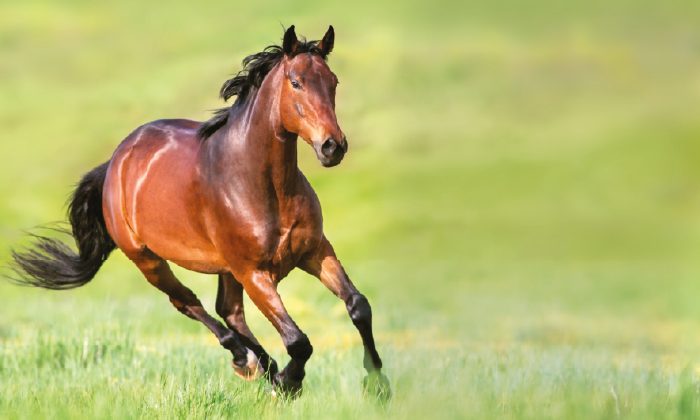



With the arrival of the warm season, life outdoors becomes more pleasant for horses... but also for annoying insects such as flies, horseflies, mosquitoes and midgesThese unwanted guests are not only a source of stress for the animal, but can also cause skin irritation, allergic reactions, and transmit diseases.
Protecting horses effectively and respecting their well-being is essential. More and more owners are choosing this option today. natural solutions, capable of combining quality and safety, avoiding the use of chemicals.
Why are insects a problem for horses?
Insects pose a significant problem for horses, their presence can have profound consequences on the animal's well-being.
When they land on the skin, they cause itching and irritation which cause the horse to rub against surfaces such as fences or walls. This behavior, if repeated, can lead to excoriations and real wounds.
In addition to the nuisance, many insects contribute to the spread of diseases which can compromise the general health of the horse. Their continuous and insistent action also generates a state of stress in the animal, which can manifest itself with nervousness, agitation and a reduction in concentration, negatively influencing both behaviour and performance, especially in sport horses.
In some cases, bites and skin reactions can evolve into dermatitis, inflammatory skin conditions that require specific treatment.
Precisely for all these reasons, it is essential not to underestimate the problem and to adopt targeted and consistent strategies to protect the horse, ensuring more comfortable and safe living conditions.
Natural strategies to protect horses
-
Environmental care
Protecting horses from insects requires first and foremost attention to the environment in which they live.
Maintaining your space is the first step to limiting the presence of these annoying guests. Keeping the environment clean means, for example, regularly remove manure and organic residues, which represent an ideal breeding ground for insects.
Likewise, it is important avoid water stagnation, because they constitute a perfect habitat for their reproduction.
Another aspect that is often underestimated is the ventilation of the stables: ensuring good air exchange helps make the environment less favorable to insects and healthier for the horse.
These are small daily measures that, if applied consistently, can make a big difference in improving the animal's well-being and significantly reducing the problem.

-
Use of repellent plants
Another effective and natural way to protect horses is to use plants that are particularly unpleasant to many insects and which, if grown near stables, can contribute to creating a less favorable environment for their presence.
Among the most useful are:
- la lavender essence , appreciated for its scent and its calming properties
- la citronella, known for its repellent action
- theeucalyptus, with an intense aroma
- la mint, fresh and aromatic
Integrating these plants into the spaces around horses represents a simple and natural solution that can help sustainably reduce the number of insects.

-
Physical protections
Another useful strategy to protect horses from insects is represented by physical protections, which constitute a valid support especially during the most critical periods.
The use of fly masks, light blankets e protective fringes It allows you to shield the most delicate parts of the horse, such as the eyes, ears and the animal's body.
This reduces direct contact with flies and other pests, limiting discomfort and potential irritation. Furthermore, they help improve the pet's overall comfort when outdoors, helping them live more peacefully even on the hottest, most insect-infested days.
-
Horse grooming routine
A fundamental aspect in the prevention of infestations is represented by the horse grooming routine, also important for your general well-being.
Correct hygiene begins with a daily brushing, useful for removing dirt, sweat and residues that can attract insects. This can be combined with periodic washing carried out with natural and delicate products, capable of cleansing the skin without altering its balance.
Cleaning also becomes an important moment of observation: check the horse's skin regularly It allows for the timely identification of any irritations or anomalies, intervening before the problem worsens, and preventing infestations.

The importance of choosing natural products
Natural products represent an increasingly popular choice for the care and protection of horses, thanks to numerous advantages that they offer both to the animal and to those who take care of it.
Their formulation, generally based on vegetal ingredients, makes them particularly gentle on the skin of the horse, helping to reduce the risk of irritation and allergic reactions. This feature also makes them suitable for frequent use, without compromising the skin's balance. Their effectiveness comes from the synergy of various plant-based ingredients, which combine the ability to push away insects to those soothing, offering complete yet delicate protection.
Natural products are also safer for the people who apply them, avoiding exposure to aggressive chemicals. Another positive aspect concerns sustainability: being less impactful, they are more respectful of the environment.
Natural protection for horses from Union BIO
Union BIO offers a line dedicated to the natural protection of horses, designed to ensure well-being and defense without altering the skin's balance.
These products are based on careful research into plant-based ingredients, selected and combined in formulations for their properties.
NEW EQUINOFLY EQUINOFLY SOFT
Protection from discomfort during walks and outdoor activities. The spray formulation (New Equinofly) is more suitable for the coat, while the gel formulation (Equinofly Soft) is for delicate areas such as the eye, ear, and perineum areas. Rich in synergistic plant extracts including Citronella and Tea Tree.
EQUINOPICK
Natural protection lotion with barrier effect based on plant extracts, useful especially during the hot-humid season. Ideal in preparation for and after walks and outdoor activities.
EQUINOFLY
Ready-to-use lotion rich in plant extracts. Liposoluble oil-gel formulation for better diffusion on the skin. Distributed in the boxes, near the areas most frequented by the horse and during outdoor activities, it protects the animal from discomfort especially in the hot-humid season. Releases a pleasant fragrance that creates a relaxing condition for the horse and the rider.
noBITE THERAPY
Complementary feed that creates a physical barrier against feeding on culicoids and other insects during the sweating phase. It naturally supports the immune system and strengthens the body's defenses.
EQUIBOX
Sanitizing detergent for the box, rich in plant extracts. Reduces bad smells, promotes foot health by improving the general well-being of the animal. It creates a physical barrier against external agents and is safe for humans, animals and the environment. To be sprayed on the litter and on the walls of the boxes.

Conclusion
Protecting horses from insects is not just a matter of comfort, but a fundamental aspect to ensure their general well-being: a less stressed animal and less exposed to irritation is more serene, more available to work and able to express its potential to the fullest.
Taking consistent and informed action really makes a difference: from environmental management to daily care, right down to choosing the most suitable products. Opting for natural solutions It means respecting the animal's needs and minimizing the risk to people and the environment.
An approach of this type therefore means take complete care of the horse, combining effectiveness, safety and respect: an investment in your daily well-being and in your future.
****
You may also be interested in:
Recurrent summer dermatitis in horses: what it is and how to manage it
Horse: natural and complete protection from insects
Spring in the stable: tips for the well-being of the horse
Horse in the summer: here's how to take care of it


