
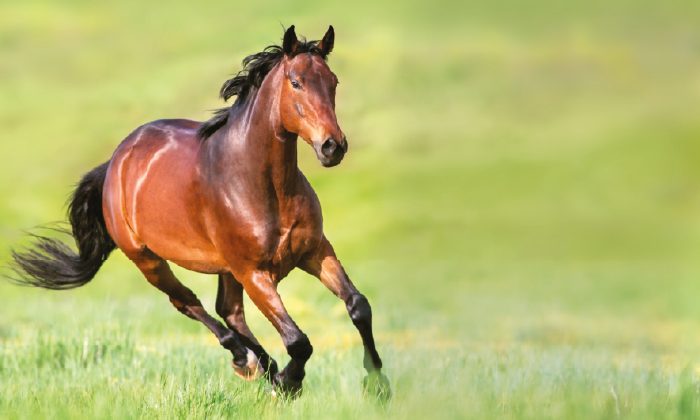



Fortunately, in recent years the number of horses who, despite being considered animals at the end of their career, can enjoy one dignified old age without being destined for other sad productions. The horse has in fact won the status of pet losing, in the majority of cases, that of an income-free animal. This new "life" has allowed him to overcome, in many situations, even 30 years of life!
Just as it happens to every other individual, however, including man, the horse ages and as age progresses, the likelihood of encountering them also increases typical diseases of old age. It is therefore of fundamental importance to know these issues so that we can prevent or identify them quickly to face them in the best way.
What are the problems of old age?
The ailments that are more easily found in an elderly horse are certainly the soppy, the dental occlusion difficulties, the respiratory diseases and other more serious problems such as Cushing syndrome.
So what should you do?
For improve the quality of life of our horse, it would be fundamental keep the teeth of the animal under control contacting a specialist veterinarian and also carrying out regular cleaning, carry out repellent therapies for ecto / endoparasitosis better if on a natural basis to avoid burdening the excretory organs too much, formulate one diet adapted to the specific needs of the animal, based on its general conditions and on its physical activity which, despite its age, is fundamental for keeping the animal healthy.
Where should the elderly horse live?
The old horse should live naturally, avoiding, if possible, the box, both to reduce the incidence of damage to the feet and respiratory system caused by this form of housing, and to re-accustom it to coexistence and avoid an entire isolated life, allowing it to re-enter in a pack full of emotions and exchange.

Are there more appropriate therapies for the elderly individual?
Whereas the most important thing is keep the horse in balance to ensure the highest possible state of well-being and reduce allopathic interventions, unconventional therapies, including acupuncture, chiropractic or herbal medicine, can be of great help in this phase of your life!
Dr. Paola Zintu
Veterinarian
Photo:Tookieurcookie, Penn State


