

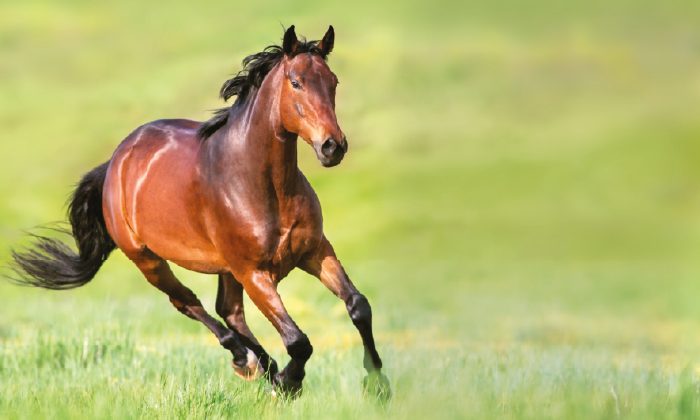



Le respiratory diseases in horses they are among the most common conditions that can affect these animals, whether competition, work or companions.
Understanding how to recognize early signs and take preventative measures is essential to ensuring the well-being of your horse.
These problems can vary from mild infections to serious illnesses which seriously compromise the animal's respiratory capacity.
The main respiratory pathologies in horses
The most common pathologies involving the respiratory system of the horse are:
- Equine influenza: A highly contagious viral disease that affects the upper respiratory tract. Infected horses may develop fever, dry cough, nasal discharge, and loss of appetite.
- Rhinitis and sinusitis: Rhinitis is an inflammation of the nasal mucosa that can be caused by viral or bacterial infections. Sinusitis, on the other hand, is inflammation of the sinuses and can result from an infection that spreads from the nasal passages. Both conditions can cause nasal discharge, sneezing, and sometimes fever.
- Arteries: Disease caused by an RNA virus. Many horses present with flu-like symptoms for a short period of time, but several symptoms may appear alone or in combination, such as: fever, depression, anorexia and leukopenia, edema, conjunctivitis, rhinitis and nasal discharge, urticaria, abortion, pneumonia.
- Pneumonia: A serious lung infection that can be caused by bacteria, viruses, or fungi. Common symptoms include fever, loss of appetite, productive cough, and difficulty breathing. Pneumonia requires prompt treatment.

Causes of Equine Respiratory Diseases
With the arrival of the cold first It is important to pay close attention to a number of conditions that can cause respiratory problems in horses.
Le sudden changes in temperature I often do not allow the animal to adapt its defenses to the climate and risk sending its life into crisis immune system. While it is true that we must avoid drafts, it is also true that we must pay attention to the environment in which they live: the microclimate that is created in the boxes is fundamental.
During the cold period horses tend to be kept indoors longer and not always well ventilated, which can lead to an increase in the concentration of dust, spores and harmful gases produced by faeces, which cause inflammation or allergies.
Alongside these environmental factors, among the causes of pathologies, we must consider those infectious. These include, for example, influenza, rhinopneumonia and pneumonia.
In sport horses, moreover, the long journeys from one sports facility to another, continuous contact with new groups and intense athletic activity can predispose the appearance of viral infections, which induce primary pathological manifestations and predispose the onset of secondary bacterial infections.
Symptoms to monitor
Recognizing the symptoms of respiratory disease early is essential to intervene before the condition worsens. The most common signs of respiratory problems in horses include:
- Tosse: can be acute and is therefore linked to infections and/or irritations of the upper respiratory tract (larynx, trachea) or the lower respiratory tract (bronchi, bronchioles). The most common causes include colds, acute laryngitis, acute tracheitis, acute bronchitis and allergies. Cough can also be chronic, that is, it has been present for a long time and is resistant to treatment. The most common causes can be linked to chronic infections such as pneumonia, bronchitis, allergies and bronchial dilations.
- Nasal discharge: in the case of a simple cold, in addition to the cough, the presence of more or less abundant mucus, nasal congestion, catarrh and sneezing may occur.
- Difficulty breathing or increased breathing rate
- Temperature
- Reduced exercise capacity
- Decreased or loss of appetite
If one or more of these symptoms are present, it is important to consult a veterinarian for an accurate diagnosis and treatment plan.

Prevention and management
Prevention of respiratory diseases begins with a environmental management adequate. Here are some tips to reduce the risk:
- Veterinary visits: periodic check-ups and vaccinations agreed with the vet can prevent many respiratory infections.
- Adequate ventilation in stables: Good air circulation is essential to prevent the accumulation of dust and humidity, which can irritate horses' respiratory tracts.
- Quality food: Use good quality hay, avoiding hay that is too dusty, and consider using fresh or chopped forage to reduce dust in the environment.
- Humidity controlExcess humidity in stalls or bedding can encourage the growth of mold and fungi, which are harmful to your horse's lungs.
Therapy
Depending on the outcome of the clinical examination, therapy may include Medicines such as antibiotics, mucolytics, cortisone-based anti-inflammatories and bronchodilators. An excellent aid in the management of some pathologies is also represented by the use ofaerosol, which helps to dissolve mucus and allow for its faster elimination.
Natural advice from Union BIO
- PNEUMO VENT: complementary feed with balsamic, decongestant action, useful in case of catarrh, cough and irritation.
It works like a syrup and is also recommended for horses with a weak heart. It is recommended to administer it as is or dissolve it in a little warm water directly into the mouth using a needle-free syringe. - PNEUMO RESP: complementary feed for horses rich in synergistic plant extracts with balsamic, catarrh-thinning and cough-calming properties.
It's a solution that allows for more targeted and localized action. It's recommended to spray it diluted with the same amount of saline solution or to administer it as is in food. - PNEUMO GO: A complementary feed that drains and fluidifies, useful before intense and prolonged exertion. Typically used in preparation for competitions, it promotes respiratory function and supports the horse's effort.

Conclusions
Respiratory diseases in horses are a serious problem that requires constant attention and prevention. If you notice signs of respiratory distress in your horse, do not hesitate to consult your vet for timely treatment.
La environmental management, adequate diet , prevention means sanitary checks are the main tools for keeping the horse healthy and avoiding respiratory diseases.